
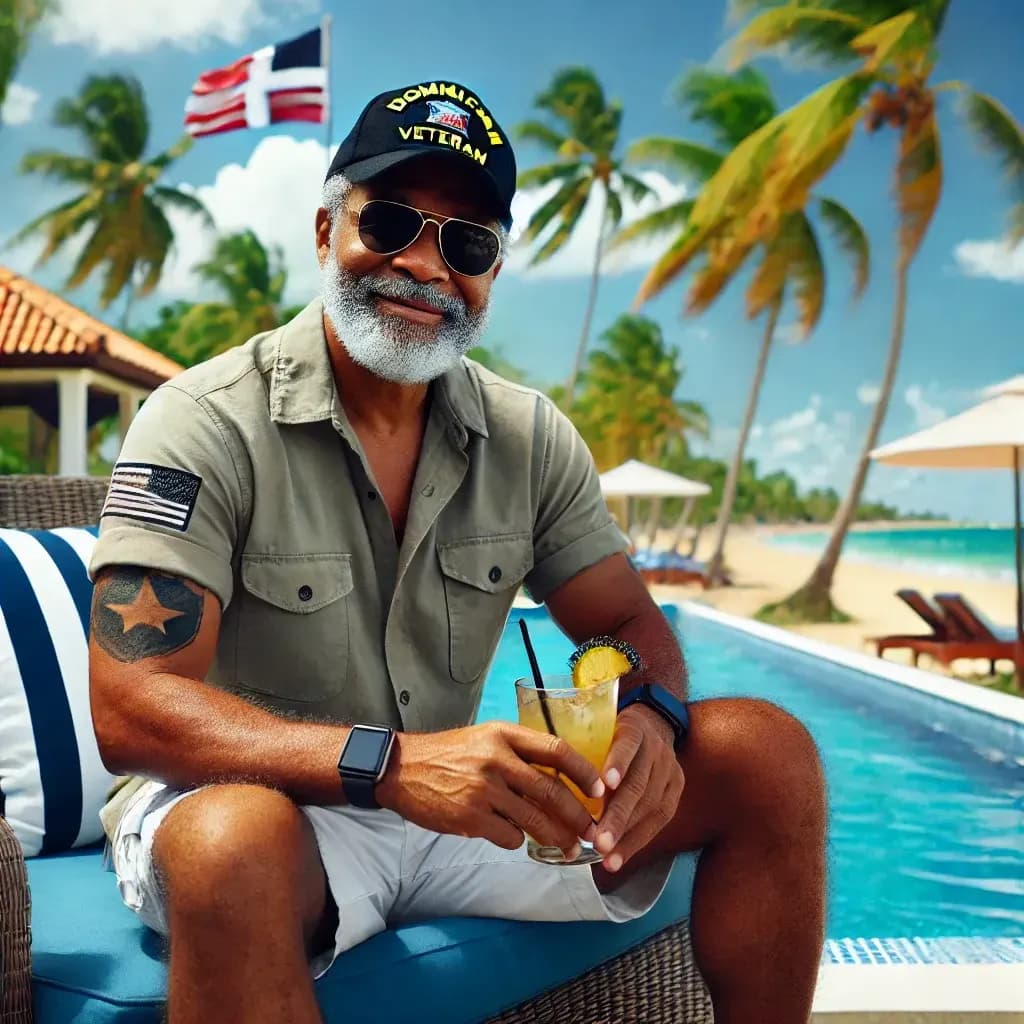
Retiring in the Dominican Republic as a U.S. Veteran in 2026: Benefits, Costs & Best Places
More U.S. veterans are choosing to retire abroad, and the Dominican Republic is becoming an increasingly attractive option.
Lower living costs, continued access to eligible VA benefits, affordable private healthcare, and full property ownership rights for foreigners make the Dominican Republic an appealing Caribbean retirement destination for veterans.
The North Coast — particularly Puerto Plata, Sosúa, and Cabarete — offers beaches, established expat communities, private healthcare, international airport access, and a wide range of homes, condos, and villas.
This guide explains what U.S. veterans should know about VA benefits, healthcare, cost of living, residency, real estate, and the best places to retire in the Dominican Republic.
Can U.S. Veterans Live in the Dominican Republic?
Yes.
U.S. veterans can legally live in the Dominican Republic, purchase property, and continue receiving eligible U.S. benefits while residing abroad.
Foreigners can generally own real estate in the Dominican Republic without being Dominican citizens or permanent residents.
For veterans planning a long-term move, the most important decisions are usually:
- Where to live
- Whether to rent or buy
- Whether to obtain residency
- How to manage healthcare
- How VA and other benefits will work while living abroad
The Dominican Republic is one of the more accessible Caribbean countries for foreign property buyers, including U.S. citizens.
Can Veterans Receive VA Benefits While Living Abroad?
Yes.
Eligible veterans can generally continue receiving benefits while living outside the United States, including:
- VA disability compensation
- VA pension benefits, when eligible
- Social Security benefits, when eligible
VA benefits can generally continue to be paid while a veteran resides in the Dominican Republic.
However, receiving VA benefits and receiving VA-funded healthcare overseas are two different things.
Through the VA Foreign Medical Program (FMP), eligible veterans may receive coverage for medical treatment outside the United States when the treatment is related to a service-connected disability.
This distinction is important for anyone planning a permanent move.
A veteran may continue receiving VA disability compensation while living in the Dominican Republic, while healthcare unrelated to a service-connected condition may need to be covered through private insurance or paid out of pocket.
Veterans should confirm their individual eligibility and coverage directly with the VA before relocating.
Healthcare for Veterans in the Dominican Republic
The Dominican Republic has both public and private healthcare systems.
Most foreign residents and retirees prefer private healthcare because of its accessibility, modern facilities, and generally lower costs compared with the United States.
Private healthcare in major cities and established expat areas can offer:
- Private hospitals and clinics
- English-speaking doctors in many areas
- Specialists
- Faster access for many routine appointments
- Lower costs than comparable treatment in the U.S.
Many veterans use private healthcare for routine treatment while maintaining their U.S. healthcare options for more complex procedures.
However, healthcare quality varies by location. Veterans with ongoing medical conditions should research specific hospitals, specialists, medications, and insurance coverage before choosing where to live.
Read our complete guide to healthcare in the Dominican Republic for more information.
What Is the Cost of Living for Veterans in the Dominican Republic?
One of the biggest reasons veterans consider the Dominican Republic is the potential difference in living costs.
Housing, restaurants, transportation, domestic services, and some healthcare expenses can be considerably less expensive than in many parts of the United States.
A monthly retirement income of $2,000–$3,000 can provide a comfortable lifestyle in some parts of the Dominican Republic, depending heavily on housing, location, transportation, and personal spending.
Costs can vary significantly depending on whether you choose:
- A local neighborhood
- A gated residential community
- A beachfront apartment
- A private villa
- A major city
- A smaller beach community
Groceries and everyday expenses also depend heavily on lifestyle. Imported American products can cost considerably more than locally produced goods.
For veterans planning their retirement budget, it is worth researching local supermarkets and prices before making a move. Our guide to grocery stores in Sosúa provides a closer look at everyday shopping on the North Coast.
Best Places in the Dominican Republic for Veterans
Several areas can work well for American retirees, but the North Coast deserves particular attention.
Puerto Plata
Puerto Plata is one of the largest cities on the North Coast and offers:
- International airport access
- Beaches
- Hospitals and medical services
- Restaurants and shopping
- Established foreign resident communities
- More urban amenities than smaller beach towns
It can be a good option for veterans who want access to city services while remaining close to the Caribbean coast.
Sosúa
Sosúa is one of the most established destinations for foreign residents on the North Coast.
The town offers:
- Beaches
- Restaurants and shops
- A large international community
- Gated residential developments
- Condominiums and villas
- Easy access to Puerto Plata International Airport
For veterans looking for a combination of Caribbean lifestyle and established expat infrastructure, Sosúa is one of the most convenient options.
Cabarete
Cabarete has a more active and international atmosphere.
It is particularly attractive for retirees who enjoy:
- Beachfront living
- Restaurants and cafés
- Outdoor activities
- Kitesurfing and water sports
- An international community
The area offers everything from apartments and condominiums to private villas and gated communities.
For a closer look at residential options, see our guide to the best communities in Sosúa and Cabarete.
Punta Cana
Punta Cana is one of the Dominican Republic's most developed tourism regions.
It offers extensive resort infrastructure, restaurants, golf courses, healthcare facilities, and international flights.
It can be attractive for retirees who prefer resort-style living and extensive tourism infrastructure.
However, veterans looking for a more established year-round expat community and traditional Caribbean beach-town atmosphere may prefer the North Coast.
Santo Domingo
Santo Domingo is the country's largest metropolitan area and offers the widest range of hospitals, shopping, restaurants, and professional services.
It is best suited to retirees who prioritize urban amenities over a traditional beach-town lifestyle.
Should Veterans Rent Before Buying?
Yes — highly recommended.
For most veterans considering permanent relocation, renting for 3–6 months before purchasing is one of the smartest steps you can take.
A trial rental allows you to experience:
- The neighborhood
- Weather and humidity
- Internet reliability
- Electricity and backup power
- Healthcare access
- Traffic and transportation
- Grocery shopping
- Noise levels
- Local culture
- The difference between living in a tourist area and a residential community
A location that looks perfect during a one-week vacation can feel very different after living there for several months.
Rent first. Learn the area. Then decide whether buying makes sense.
Can U.S. Veterans Buy Property in the Dominican Republic?
Yes.
Foreigners, including U.S. citizens and veterans, can generally purchase and own real estate in the Dominican Republic.
There are no special property restrictions simply because the buyer is a U.S. veteran.
The typical purchase process includes:
- Selecting a property
- Signing a purchase agreement
- Attorney-led due diligence
- Verifying the property title
- Completing the closing
- Paying applicable transfer taxes and fees
- Registering the property in the buyer's name
Working with an independent Dominican real estate attorney is strongly recommended.
You can learn more about the buying process for property in the Dominican Republic in our detailed guide.
Gated communities are particularly popular among retirees because they can combine security, maintenance, pools, backup generators, and other amenities in one location.
Do Veterans Need Dominican Residency?
No.
Property ownership and immigration residency are separate matters.
A foreigner does not generally need Dominican residency simply to purchase property.
However, veterans planning to spend most of the year in the Dominican Republic may want to explore residency options.
Residency can make long-term living easier and may provide practical advantages for banking, local administration, and establishing a permanent base.
You can learn more about Dominican Republic residency and the different options available to foreigners.
Is the Dominican Republic Safe for Veterans?
Safety varies by location, just as it does in the United States.
Veterans and retirees should focus on established residential areas and use sensible precautions.
Many foreign residents choose gated communities because they provide controlled access and an additional layer of security.
When evaluating a property, consider:
- Neighborhood location
- Security
- Access to healthcare
- Distance from supermarkets
- Road conditions
- Electricity reliability
- Internet availability
- Distance to the airport
- Whether you will have a car
The right location can make a major difference in your experience.
What Challenges Should Veterans Expect?
Moving abroad is not without challenges.
Veterans considering the Dominican Republic should be prepared for:
Language
Spanish is the official language. English is widely spoken in many tourist and expat areas, but learning basic Spanish will make everyday life considerably easier.
Infrastructure
Electricity, water, roads, and internet service can vary depending on the area and property.
Choosing a community with reliable infrastructure and backup power can make a significant difference.
Healthcare
Private healthcare can be affordable, but veterans with complex medical conditions should research specific facilities and insurance coverage before moving.
Culture
Life in the Dominican Republic is different from life in the United States.
The slower pace can be one of the biggest attractions, but it also requires flexibility and patience.
Frequently Asked Questions
Can a U.S. veteran receive VA disability while living in the Dominican Republic?
Yes. Eligible veterans can generally continue receiving VA disability compensation while living abroad. Healthcare coverage overseas is a separate issue, and service-connected treatment may qualify under the VA Foreign Medical Program.
Does the VA pay for healthcare in the Dominican Republic?
The VA Foreign Medical Program may cover eligible treatment outside the United States when it is related to a service-connected disability. Veterans should verify their specific eligibility and coverage with the VA.
How much money does a veteran need to retire in the Dominican Republic?
There is no single number. A monthly income of $2,000–$3,000 can support a comfortable lifestyle in some areas, but costs increase with beachfront housing, luxury properties, private transportation, and higher-end services.
Can U.S. veterans buy property in the Dominican Republic?
Yes. U.S. citizens can generally purchase and own property in the Dominican Republic, and there are no special restrictions for veterans.
Do veterans need residency to buy property?
No. Property ownership and residency are separate. You can purchase real estate without becoming a Dominican resident.
Should veterans rent before buying?
Yes. Spending 3–6 months renting is strongly recommended before making a major property purchase.
What is the best place for a veteran to retire in the Dominican Republic?
It depends on your lifestyle. Puerto Plata offers more city amenities, Sosúa has a large international community and convenient beach-town lifestyle, while Cabarete is more active and internationally oriented.
Final Thoughts: Is the Dominican Republic Right for You?
For the right veteran, the Dominican Republic can offer an attractive combination of lower living costs, Caribbean lifestyle, accessible private healthcare, continued access to eligible U.S. benefits, and property ownership opportunities.
The North Coast is particularly worth exploring if you want to combine:
- Beach living
- Established expat communities
- International airport access
- Gated residential communities
- Private healthcare
- A wide range of real estate
Before making a permanent move, visit first, rent, explore different communities, research your healthcare options, and speak with other veterans and expats.
If you're considering retiring on the Dominican Republic's North Coast, explore our guide to retiring in the Dominican Republic with real estate income.
And if you're ready to explore homes, villas, and condominiums in Sosúa, Cabarete, or Puerto Plata, contact us to start planning your move to the Dominican Republic.